Signed in as:
filler@godaddy.com
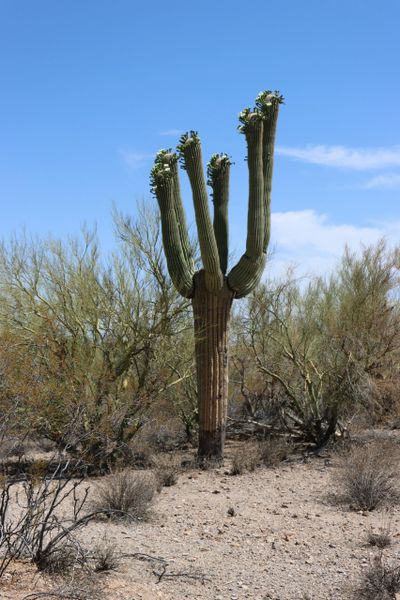
The Sonoran Desert in Arizona is one of the most unique and biologically rich deserts on Earth, distinguished by its iconic saguaros, diverse cacti and shrubs, and an unusually complex pattern of two rainy seasons that support more than 2,000 plant species and hundreds of animal species. Unlike many other deserts, it is considered the most biologically diverse of the North American deserts and is sometimes described as a “lush” or “wet” desert because parts of it receive 10–12 inches of rain a year, fueling spectacular wildflower blooms and a mosaic of habitats from cactus plains to rugged mountain slopes. This combination of subtropical warmth, bimodal rainfall, and high endemism makes the Sonoran Desert an irreplaceable ecosystem that exists nowhere else in the United States at this scale.
At the same time, scientists and conservation groups emphasize that the Sonoran Desert is a fragile ecosystem whose plants and animals are tightly interdependent and slow to recover when disturbed. Many emblematic species, such as saguaros and ancient creosote bushes, grow extremely slowly over decades or centuries, which means that damage from drought, fire, or land clearing can take generations to heal—if it heals at all. Today the desert faces a convergence of threats: rapid urban expansion that destroys and fragments habitat, climate‑change‑driven heat and megadrought, and invasive grasses like buffelgrass that turn naturally sparse desert into continuous fuel, increasing wildfire risk and potentially converting diverse cactus communities into simplified, degraded grasslands.